Design for the child she’ll be, not just the one she is
Children’s tastes change fast – this year’s obsession is next year’s embarrassment. The smartest approach to a girl’s bedroom is to put the money into neutral, durable big pieces and let a cheap, swappable layer carry the current theme. A bright themed bed-frame is a two-year purchase; a plain wood bed with themed bedding is a ten-year one. Plan the room so the expensive parts last and the fun parts are easy to change.
Buy for the next five years, not this year
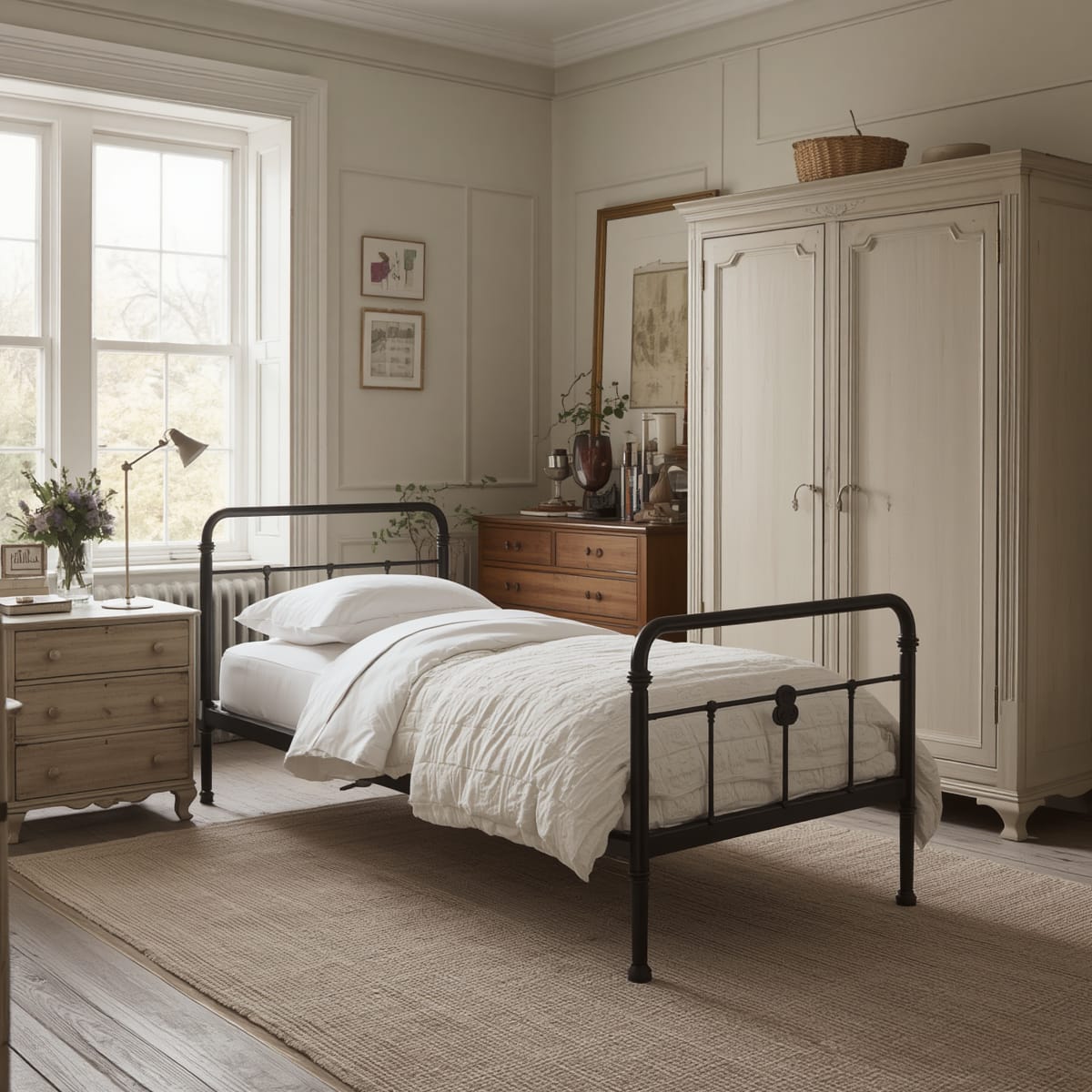
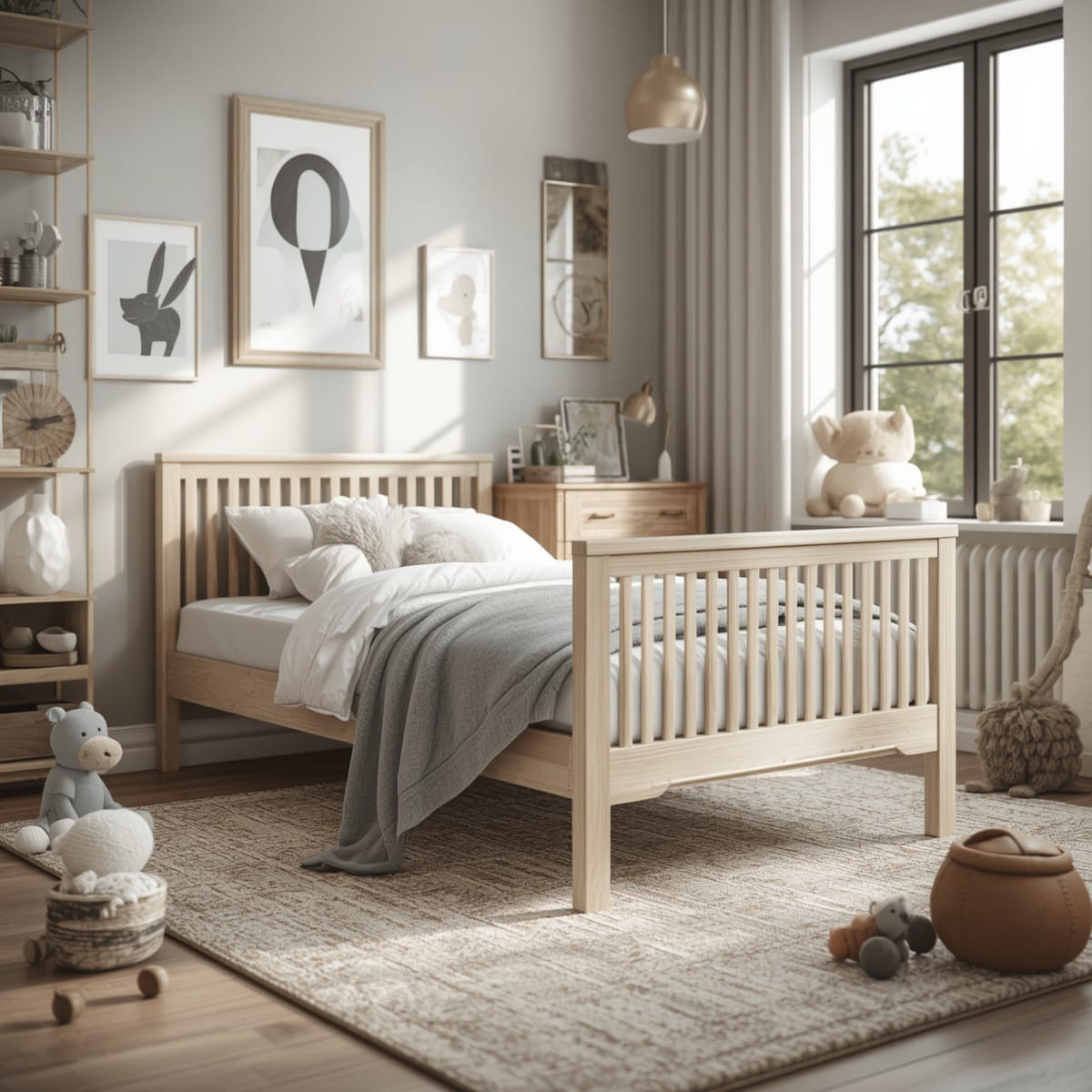
Think about where she’ll be in five years and buy accordingly. A full-size single (or a convertible bed that grows from cot to toddler to single) avoids buying twice. Choose a chest of drawers and a wardrobe in a calm finish that suits a toddler and a teen alike. The goal is furniture that quietly adapts as she does, so you’re only ever changing the inexpensive decorative layer.
The core pieces worth investing in
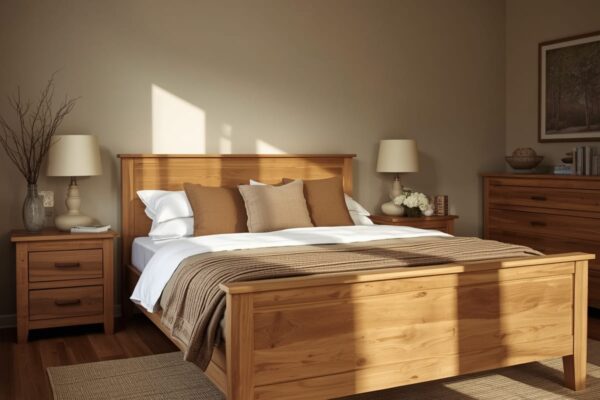
Spend on the things that get daily use and need to last: a solid bed, a chest of drawers, and a wardrobe with an adjustable rail so it works for small and grown-up clothes. Buy these in a neutral, durable finish. The same buy-the-bones-neutral logic applies to a boys bedroom, so siblings’ rooms can share a sensible, mix-and-match baseline that saves money over time.
The cheap, swappable layer
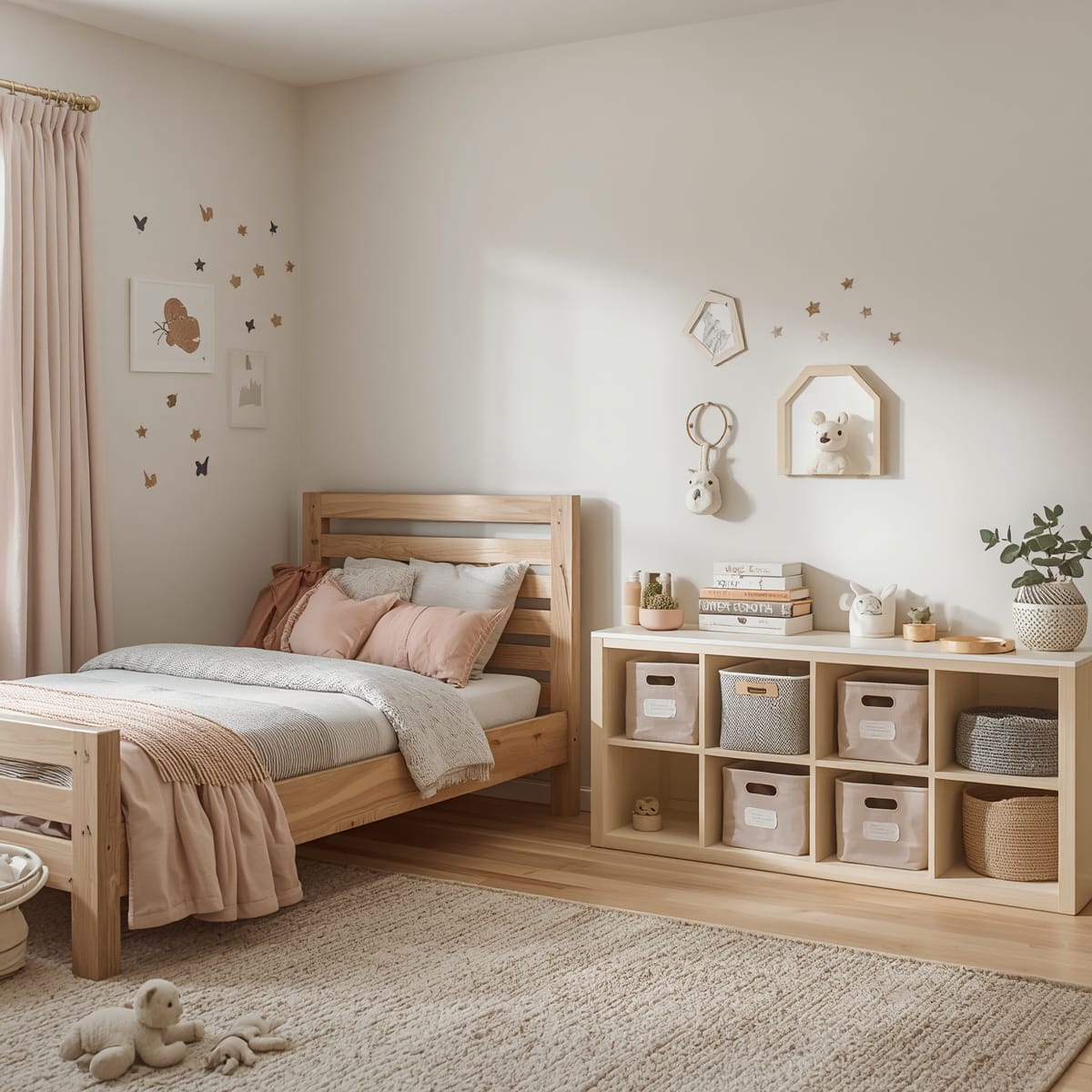
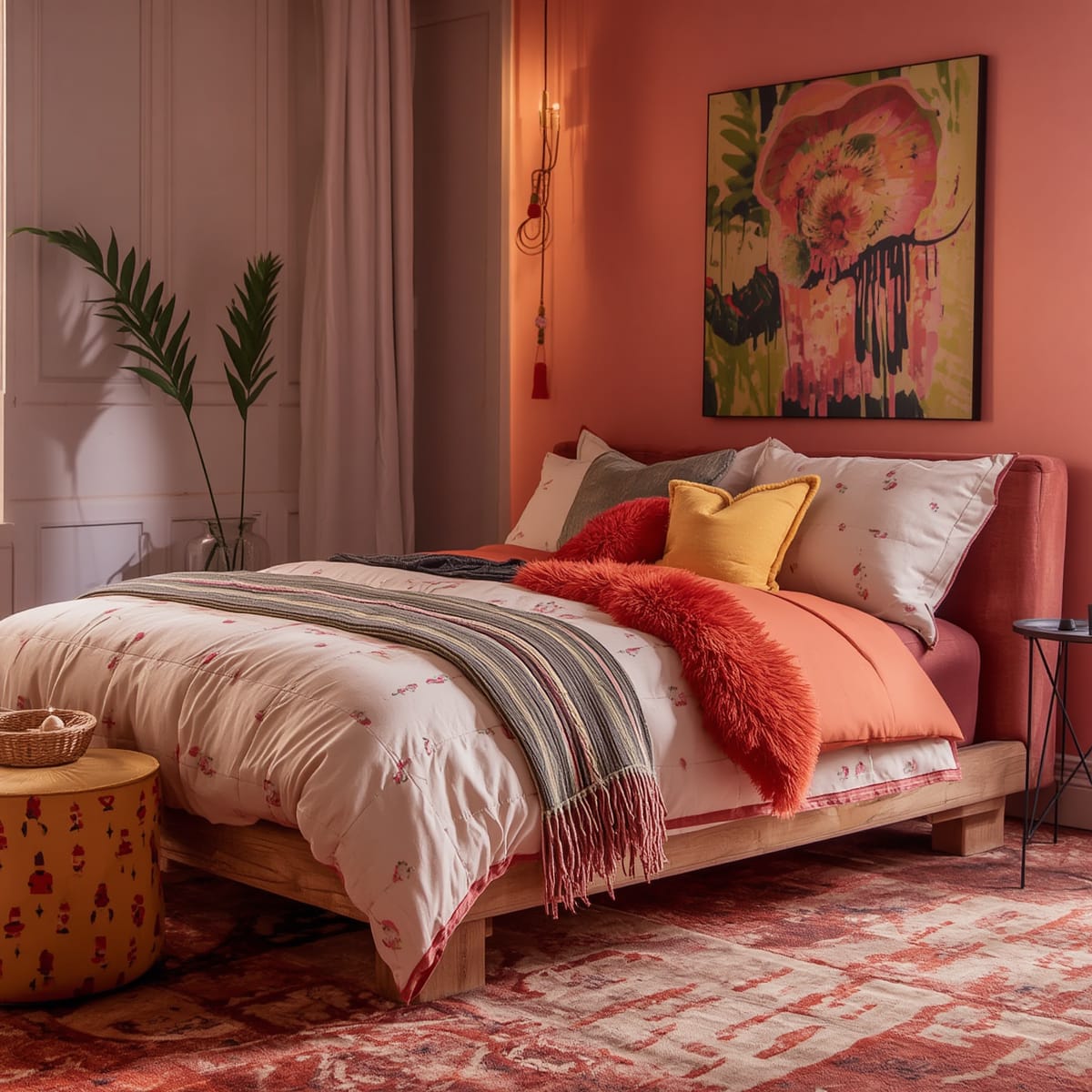
This is where the personality lives – and where it’s cheap to change. Bedding, cushions, a rug, removable wall decals, fairy lights, and framed art carry the current theme and let her feel ownership of the room. If she wants pink, keep it here rather than on the furniture; our pink bedroom design ideas guide shows how to keep pink looking considered and grown-up rather than sugary, so the room can mature with her.
Study and homework zones
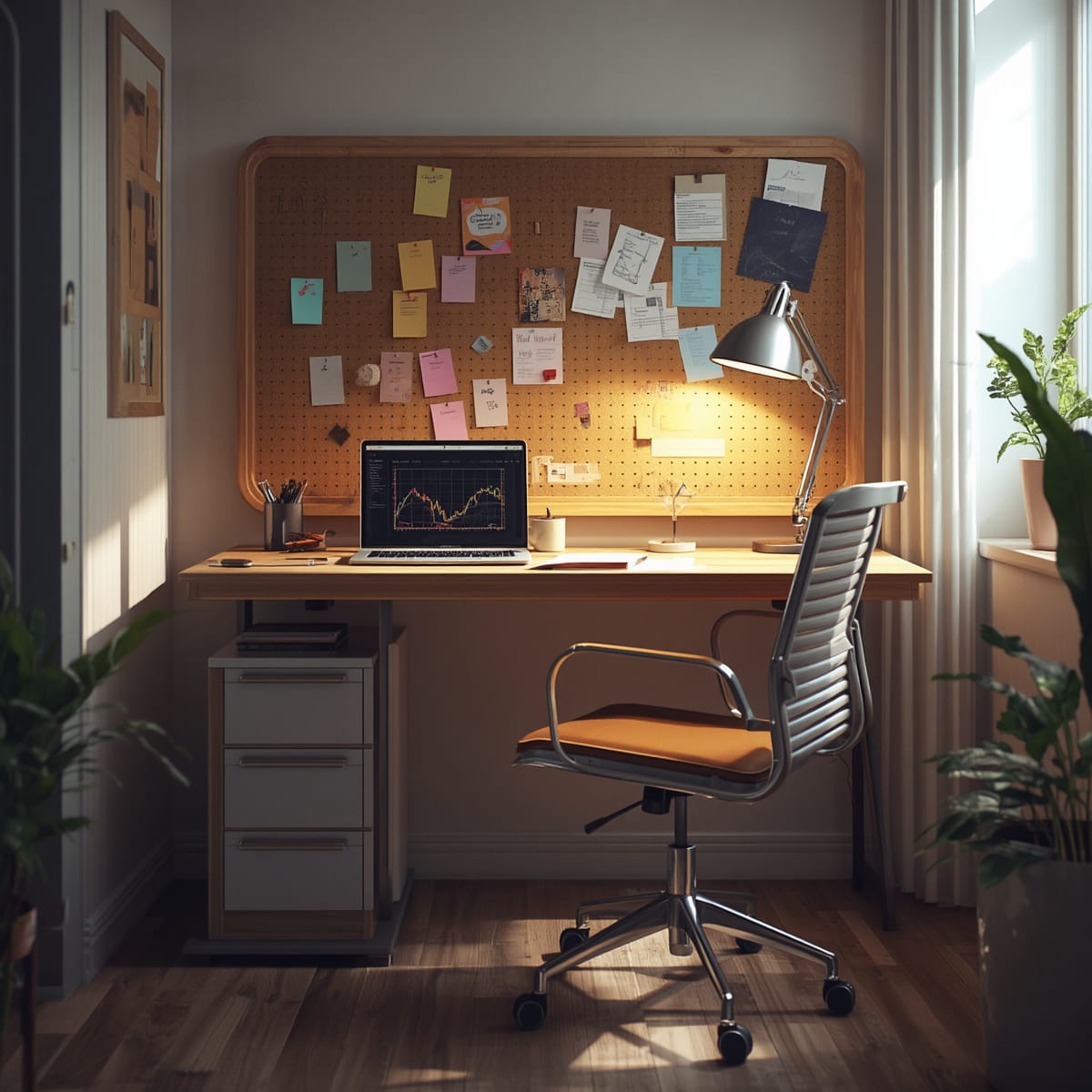
As schoolwork increases, a properly sized desk and a good task lamp matter more than almost anything else in the room. Position the desk near natural light if possible, add a pinboard or pegboard for organization, and choose a supportive, adjustable chair. A desk in a neutral finish will carry her from primary projects to exam revision without needing replacing.
Storage at child height
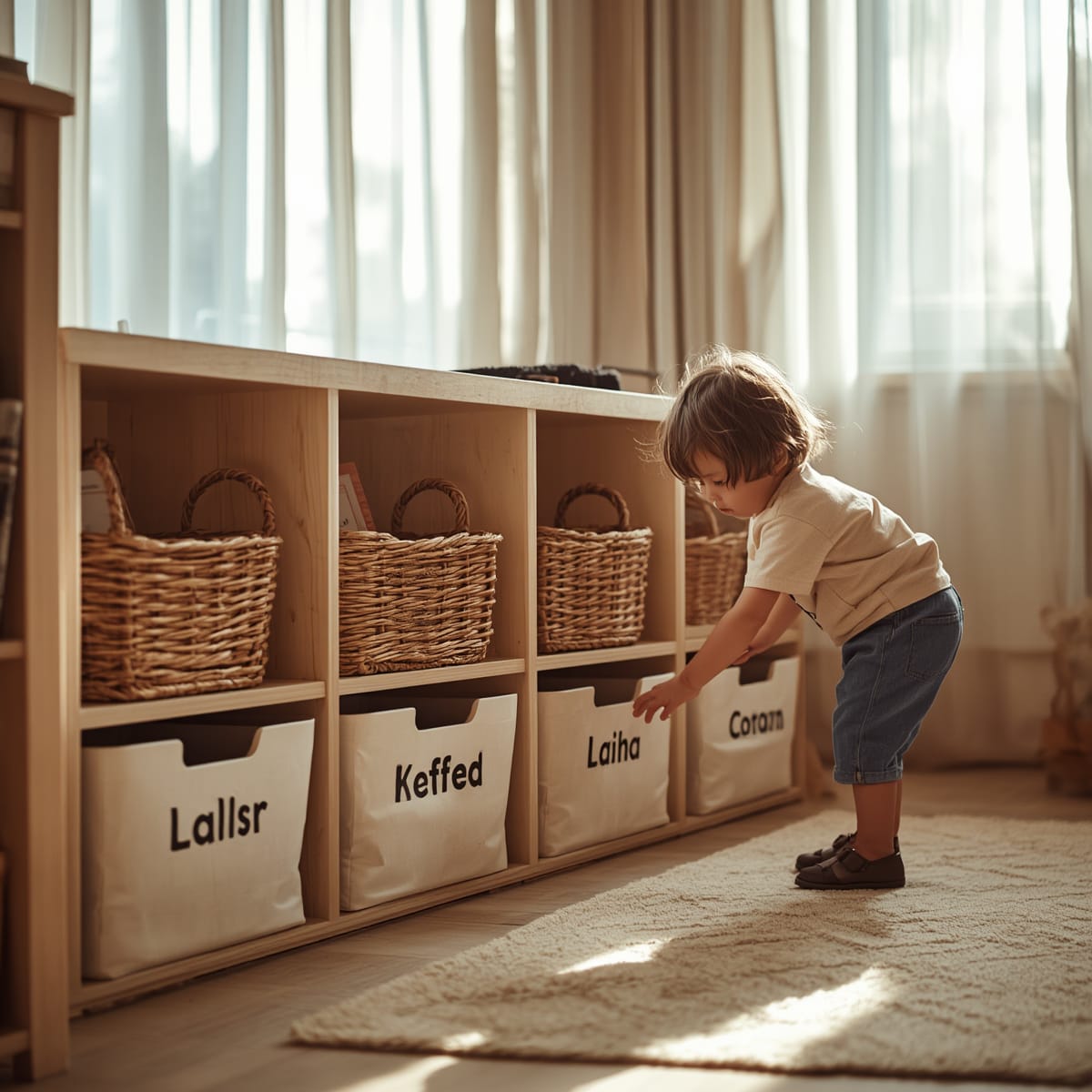
Storage a child can actually reach is storage that gets used. Low open bins, labelled baskets, and cube units at her height make tidying possible without help, and turn ‘put your toys away’ into something she can do herself. Keep heavier items low and reserve higher shelves for things she rarely needs.
In a small or shared room, foldable and space-saving furniture like a fold-down desk or a bed with built-in drawers keeps the floor clear for play.
Safety details for younger children
Safety is non-negotiable for younger kids and easy to retrofit. Anchor tall furniture to the wall with anti-tip straps, choose rounded rather than sharp edges, fit cordless blinds, and keep heavy items on low shelves so nothing topples. Check that bunk beds and raised beds have proper guard rails and a secure ladder. These basics matter most for toddlers and cost very little.
Growing the room up over time
Because the big pieces are neutral, the room can mature gracefully: swap childish bedding and decals for a calmer palette, add a fuller-length mirror and a study upgrade, and the same furniture transitions toward the grown-up looks in our modern bedroom furniture sets. Planning for that evolution from the start saves money and avoids a jarring ‘big girl room’ overhaul later.