A bedroom set should feel collected, not catalogue
Furniture sets a bedroom’s tone more than paint or art, because the bed and storage dominate the space. The aim of a modern set is a room that feels cohesive and calm without looking like it was lifted straight from a showroom. That balance – connected but not identical – is what separates a considered bedroom from a flat-pack one, and it’s achievable on almost any budget with a few good decisions.
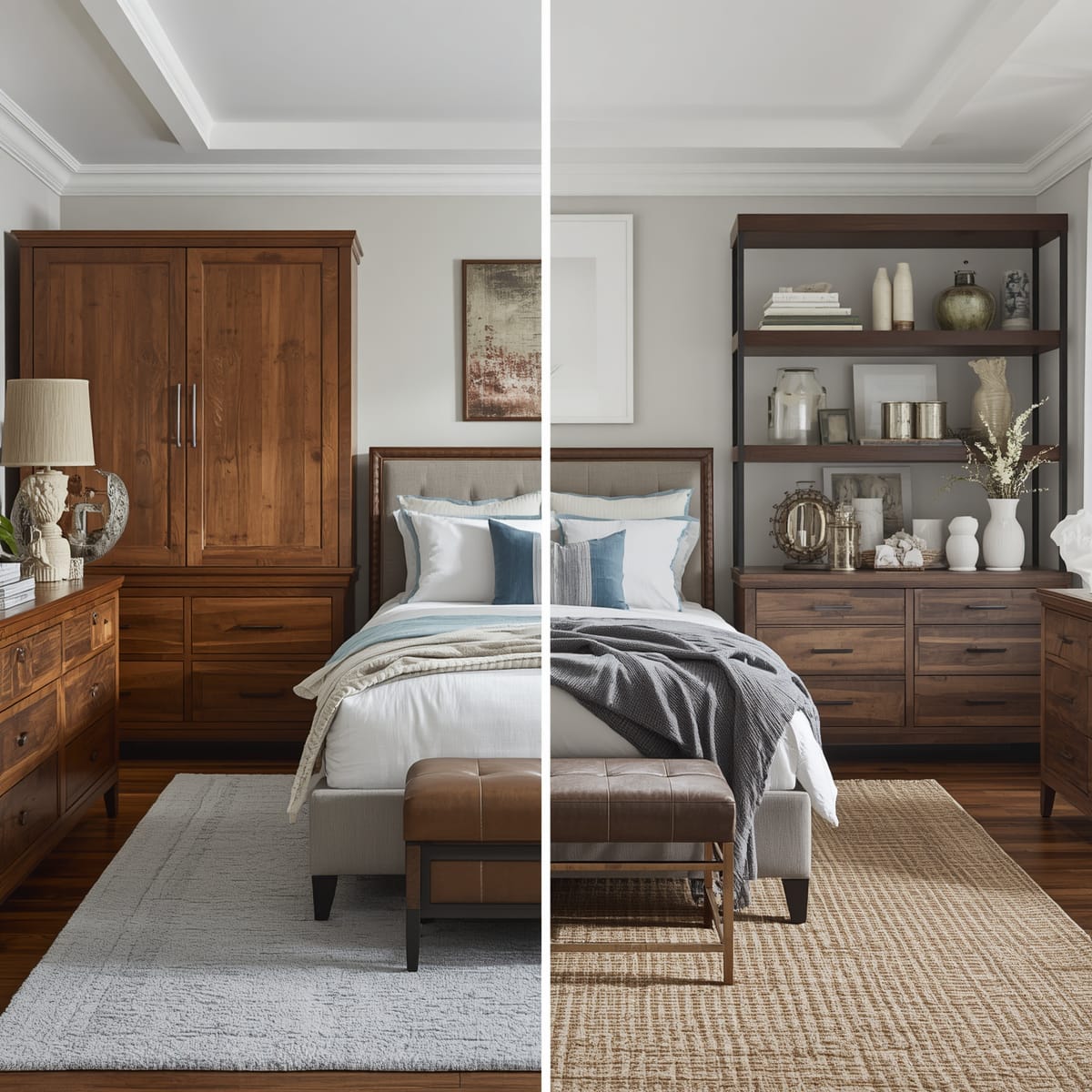
Matched set vs curated look
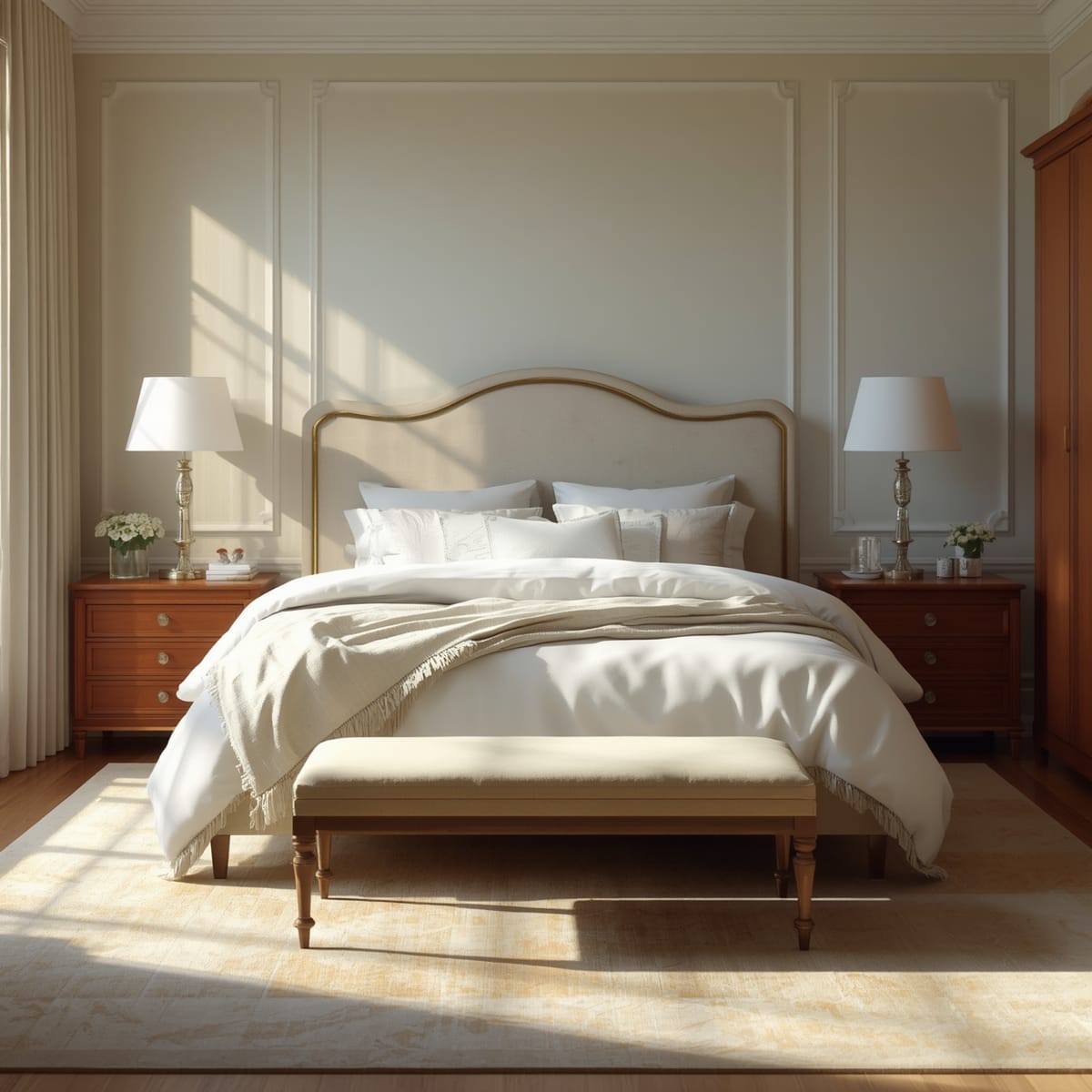
Buying a matching set is the fast, fail-safe route to cohesion: everything shares a finish, scale, and detailing, and you can’t really get it wrong. A curated mix – different shapes that share a wood tone and metal finish – feels more personal and more expensive, but it takes a careful eye to pull off.
If you’re unsure, split the difference: buy the bed and nightstands as a set for guaranteed harmony, then add the dresser separately in the same tone. That gives you the safety of a set with a touch of the curated look.
The pieces a set should actually include
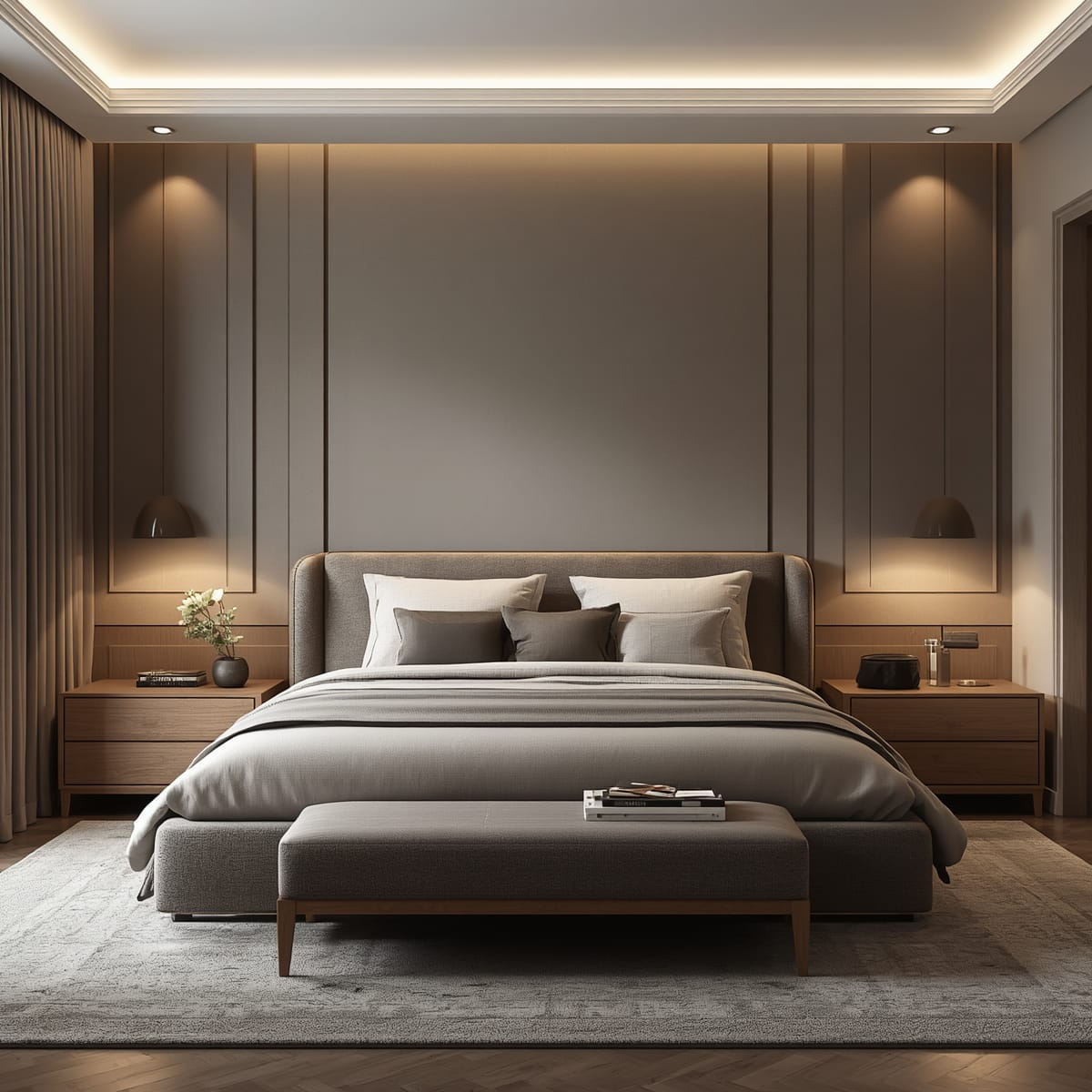
At minimum, a bedroom needs a bed frame, two nightstands, and a dresser or chest of drawers. A bench or blanket box at the foot of the bed is a nice-to-have, worth adding only if the floor allows it. Resist over-furnishing: a clear path around the bed reads calmer and more modern than a room packed with matching pieces.
For a larger bed specifically, the proportions and clearances change – our king size bedroom set ideas guide covers what a king needs around it.
Materials and finishes that age well
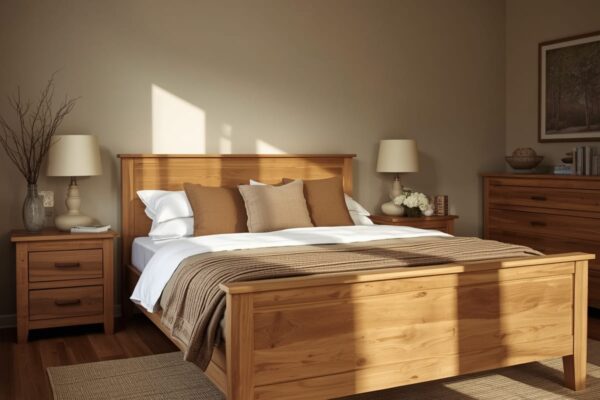
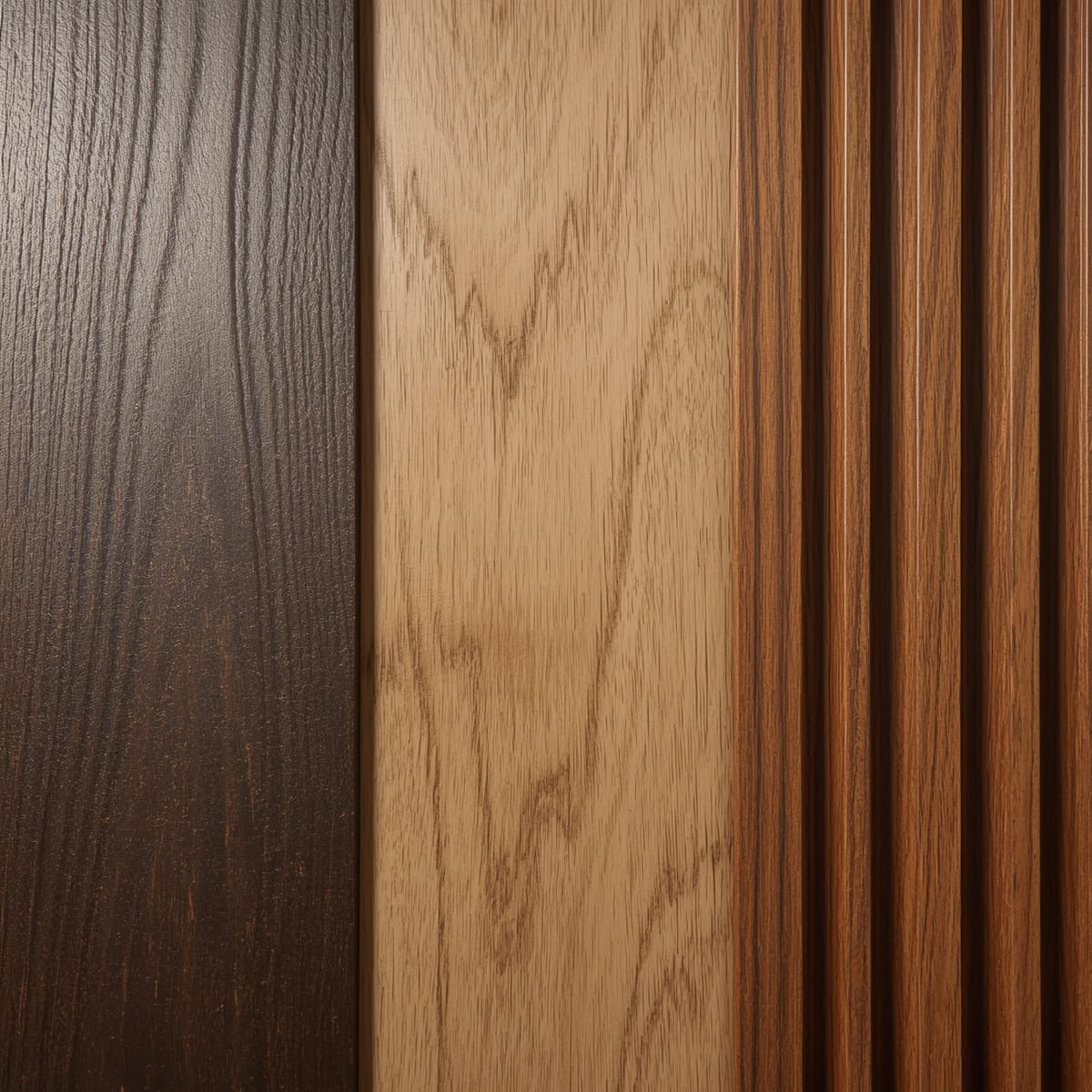
Matte lacquers, oak and walnut veneers, and fluted wood fronts wear better and date less than high-gloss, which scratches and can yellow over time. Solid wood lasts longest and can be repaired; quality veneer over engineered board is a sensible mid-budget choice that stays stable. Avoid cheap printed-effect chipboard, which chips at the edges and looks tired quickly.
For an all-timber direction with real warmth, our wooden bedroom furniture ideas covers solid versus veneer and how to mix wood tones.
Scale: match furniture to the room
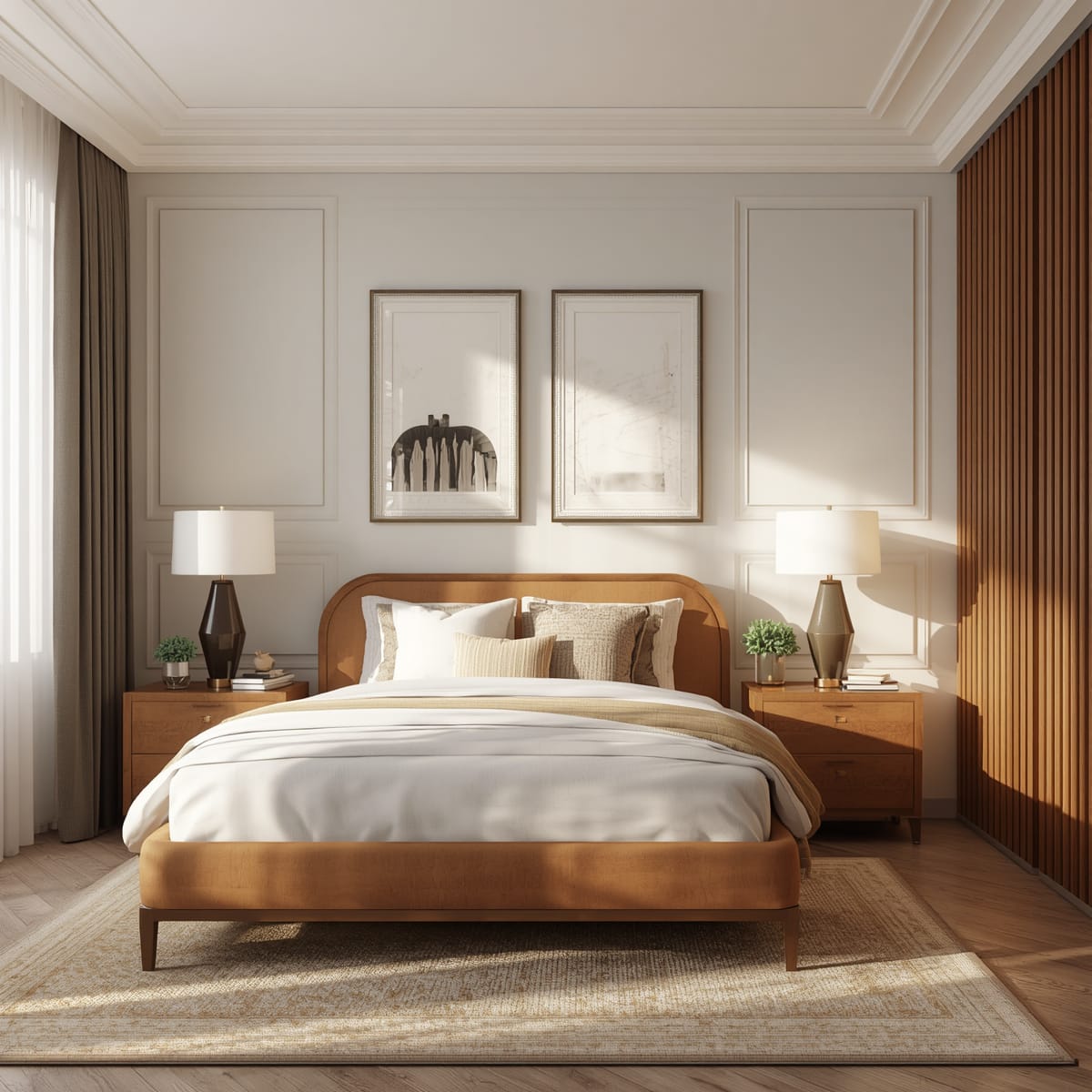
A chunky set overwhelms a small room, while spindly pieces look lost in a large one. Measure the wall the bed sits on and leave at least 60-70cm of walking space on each accessible side, and ideally room to fully open drawers and wardrobe doors. A low dresser can make a room feel taller; a tall, narrow chest suits a tight footprint better than a wide one.
In a small room, lean on storage-led and foldable or wall-mounted pieces rather than a full bulky suite that crowds the floor.
Storage-led choices for smaller rooms
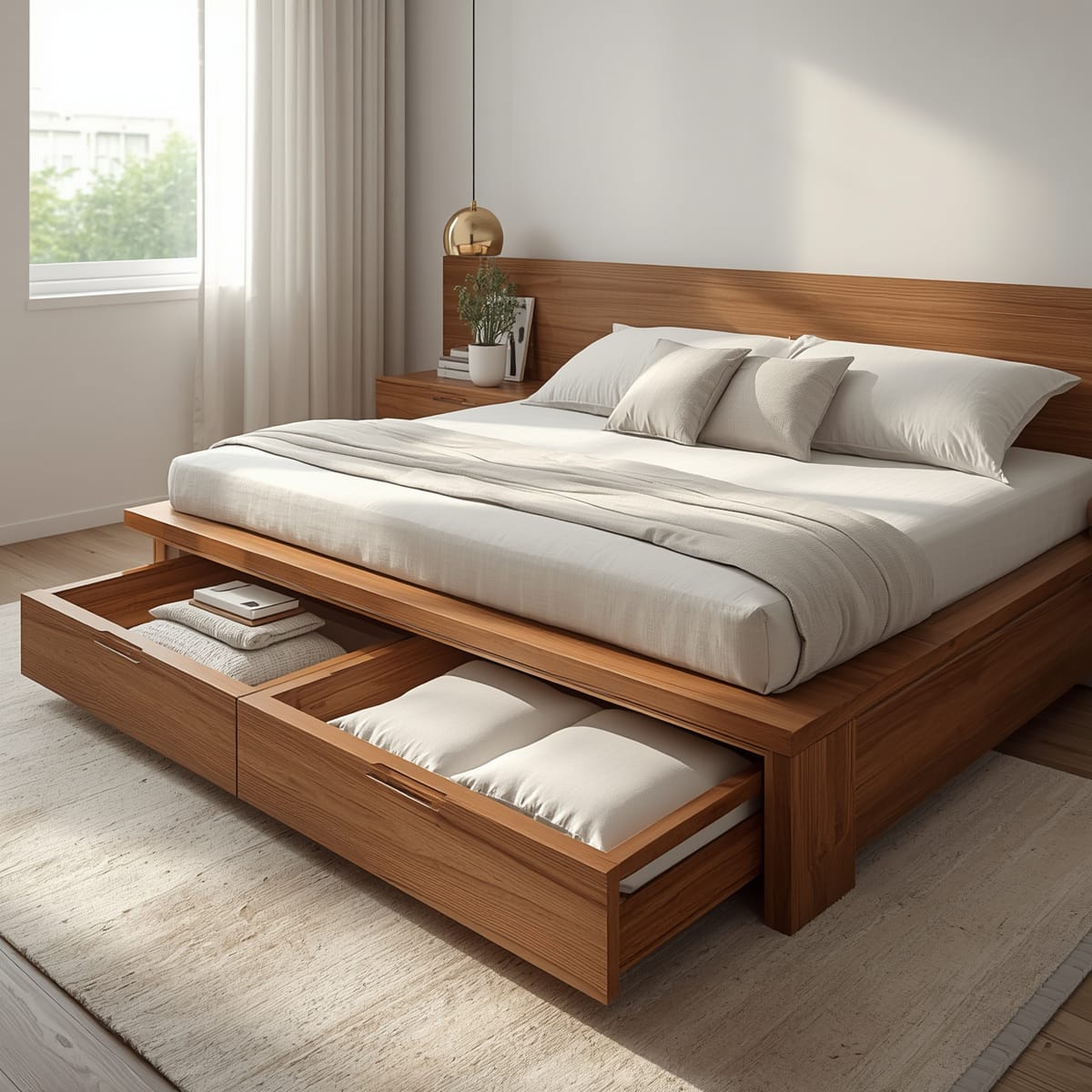
If storage is tight, let the furniture work harder. A platform bed with deep base drawers can replace an entire chest; an ottoman-style bed lifts for bulky bedding; a headboard with built-in shelves removes the need for nightstands. These pieces keep the floor clearer and the room calmer, which matters more the smaller the bedroom is.
Let the walls and lighting do some work
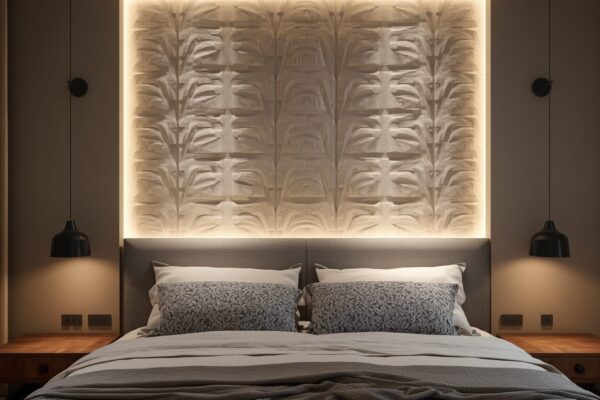
Furniture isn’t the only way to make a bedroom feel finished. A textured feature wall behind the bed adds depth without floor space – our 3D wallpaper for bedroom walls guide covers which textures stay calm behind a headboard. Layered lighting (bedside lamps plus a soft overhead) and matching nightstand lamps also pull a set together, so the furniture itself can stay simple.
Common bedroom-furniture mistakes
The frequent errors are over-furnishing a room until the floor disappears, mixing too many wood and metal tones so nothing relates, choosing high-gloss that scratches, and buying pieces scaled wrong for the room. Pick a tight palette, size the furniture to the space, prioritize the bed and nightstands, and add the rest only as the room allows.